
Clean Doesn’t Always Mean Effective
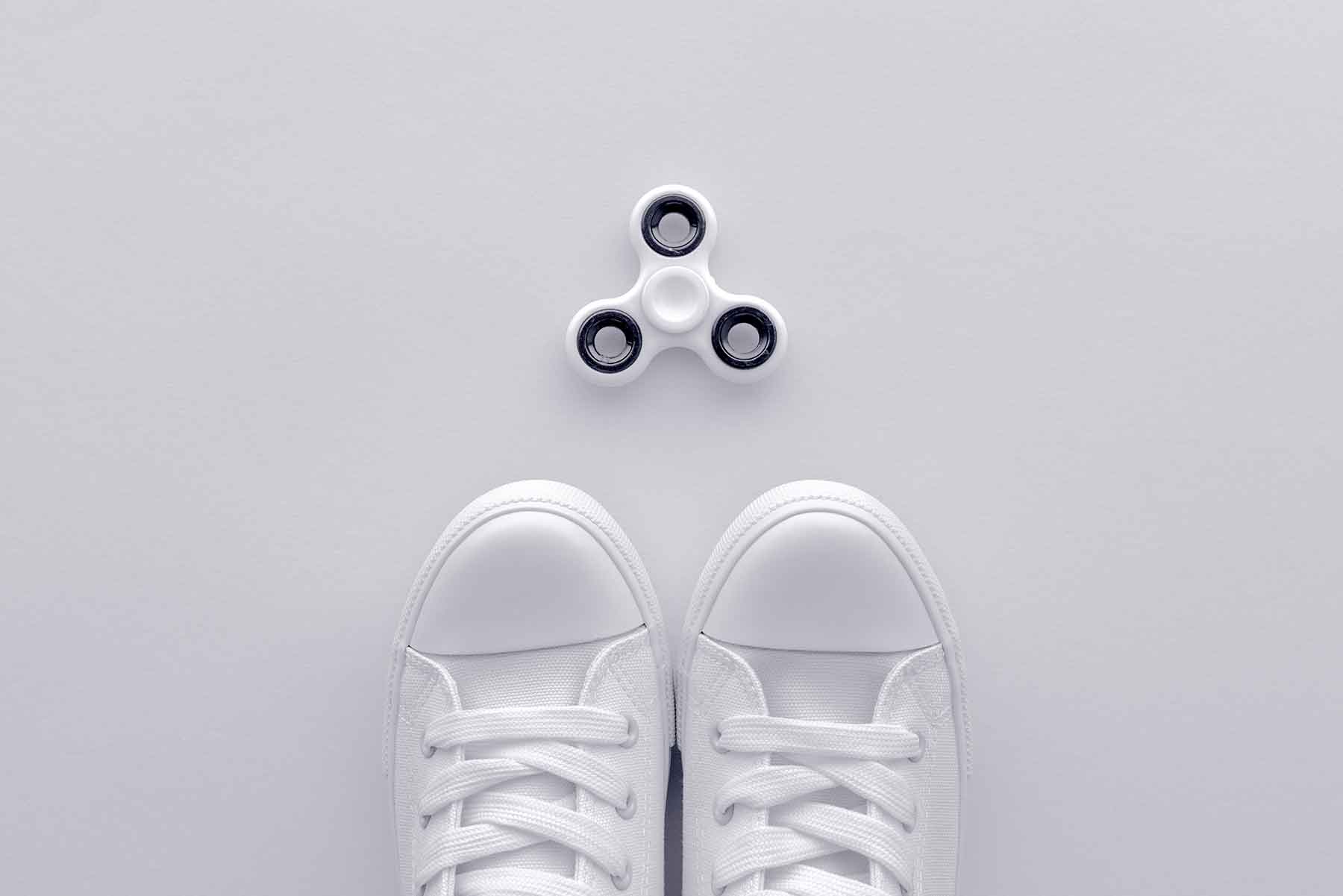
Minimalist web design is everywhere.
Clean layouts. White space. Short copy. Subtle buttons. Soft colours.
It looks modern.
It looks premium.
It looks “high-end.”
But here’s the uncomfortable truth many businesses discover too late:
Minimalist websites often look great — and convert terribly.
Minimalism is a design style. Conversion is a strategy. When the two are confused, businesses lose leads quietly and consistently.
Minimalism Isn’t the Problem — Misuse Is
Minimalist web design works when:
- The brand is already well-known
- The audience understands the offer
- The product is simple
- Trust already exists
But for most Malaysian businesses — especially SMEs, service providers, and B2B companies — minimalism often removes too much.
What gets removed?
- Clarity
- Context
- Guidance
- Trust signals
- Conversion cues
And when those disappear, conversions follow.
1. Minimalist Design Often Removes Explanation
Minimalist sites rely on short phrases and visual storytelling.
But visitors still need answers.
When websites strip content too aggressively:
- Services become vague
- Value propositions are unclear
- Users don’t understand what’s included
- Objections aren’t addressed
Visitors don’t stay to “figure it out.”
They leave.
Conversion requires clarity — not mystery.
2. Too Much White Space Can Reduce Direction
White space improves readability, but excessive spacing:
- Breaks reading flow
- Pushes important content too far down
- Separates CTAs from value
- Weakens urgency
Minimalist layouts often make users scroll endlessly without direction.
Fix:
Use white space intentionally — not decoratively. Design should guide users toward action, not just look elegant.
3. Subtle CTAs Get Ignored
Minimalist websites often use:
- Small buttons
- Low-contrast colours
- Soft wording
- Hidden actions
This may look refined — but it performs poorly.
Visitors don’t hunt for buttons.
They respond to clarity and contrast.
High-converting websites:
- Make CTAs obvious
- Repeat CTAs naturally
- Use action-driven language
Conversion design should be clear, not polite.
4. Minimalism Often Removes Trust Signals
To keep things “clean,” many sites remove:
- Testimonials
- Client logos
- Case studies
- Certifications
- Proof of experience
This creates a beautiful site that feels empty.
Trust doesn’t clutter a website.
It strengthens it.
In Web Design KL, trust signals are often the difference between a bounce and an enquiry.
5. Minimalist Messaging Can Feel Generic
Short copy sounds modern — but often lacks personality.
Common minimalist phrases:
- “We create experiences.”
- “Design that matters.”
- “Solutions for tomorrow.”
These phrases say nothing specific.
Specificity builds confidence.
Generic minimalism creates doubt.
6. Minimalist Navigation Can Hide Key Information
Hamburger menus.
Hidden sections.
Scroll-based discovery.
Minimalist navigation looks neat — but increases friction.
Visitors want fast answers.
If information isn’t immediately accessible, they assume it doesn’t exist.
Simplicity should reduce effort — not increase it.
7. Minimalism Ignores How New Visitors Behave
Minimalist design often assumes:
- Users already know the brand
- Visitors will explore patiently
- Curiosity is enough to drive action
In reality:
- New visitors want reassurance
- They want clarity
- They want guidance
Conversion-focused design prioritises new users, not brand insiders.
When Minimalism Works
Minimalism can work if:
- Your brand is established
- Your audience understands your offer
- Your website supports, not replaces, sales conversations
- Your funnel handles education elsewhere
But for lead generation, services, and competitive markets, minimalism alone is rarely enough.
The Better Approach: Clarity-Driven Design
High-performing websites balance:
- Clean visuals
- Clear messaging
- Visible CTAs
- Strong trust signals
- Conversion-focused layout
This is not anti-design.
It’s strategic design.
Minimalism should support conversion — not replace it.
Minimalist web design isn’t wrong.
But minimalist thinking about conversion is.
A website’s job isn’t to look elegant.
It’s to communicate clearly, build trust, and guide action.
If your website looks beautiful but isn’t generating enquiries, minimalism may be removing the very elements your visitors need to feel confident.
In 2025, the best websites aren’t the cleanest.
They’re the clearest.