You’re Closer Than You Think — But Still Losing
Most businesses don’t have a visibility problem.
People are finding you.
They’re clicking.
They’re even showing interest.
But then… they disappear.
No enquiry.
No follow-up.
No sale.
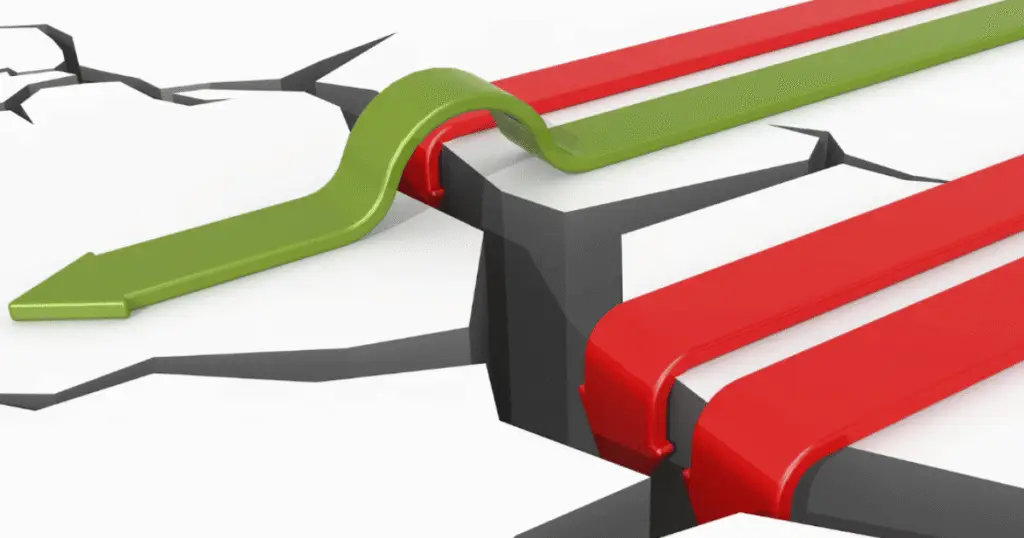
This invisible drop-off is what we call the conversion gap — the space between interest and action where most of your potential leads are lost.
And the worst part?
Most businesses don’t even realise where it’s happening.
What Is the Conversion Gap?
The conversion gap is the breakdown between:
- Traffic → Leads
- Interest → Action
- Visitors → Customers
It’s where:
- People hesitate
- Doubts increase
- Decisions get delayed
- And eventually… forgotten
You’re not losing people because they’re not interested.
You’re losing them because something isn’t strong enough to move them forward.
Where Leads Are Quietly Disappearing
1. The First Impression Drop
This happens within seconds.
If your website:
- Feels unclear
- Looks outdated
- Lacks structure
- Doesn’t explain value immediately
Users leave before even understanding your offer.
Strong Web Design KL ensures:
- Instant clarity
- Clean structure
- Fast loading
- Clear messaging
First impressions either keep or kill your leads.
2. The Trust Gap
Even if users stay, they won’t act without confidence.
If your site lacks:
- Testimonials
- Case studies
- Real results
- Client logos
They hesitate.
And hesitation is where leads disappear.
Trust is not built by saying you’re good.
It’s built by showing proof.
3. The Clarity Gap
Visitors should never have to guess:
- What you do
- Who it’s for
- What they get
If your messaging is:
- Generic
- Overly creative
- Too abstract
Users don’t connect.
Clear messaging increases confidence.
Confusion reduces action.
4. The CTA Gap
One of the biggest silent killers.
If your website:
- Doesn’t have a clear CTA
- Uses weak wording
- Hides buttons
- Offers too many choices
Users delay action.
And delayed action often becomes no action.
Strong CTAs:
- “Get a Quote”
- “Book a Consultation”
- “Contact Us Now”
Simple. Direct. Effective.
5. The Experience Gap
If your site is:
- Slow
- Hard to navigate
- Not mobile-friendly
- Overloaded with content
Users lose patience.
In Malaysia’s mobile-first environment, this is critical.
Poor UX doesn’t just hurt conversion.
It also impacts SEO Marketing performance.
6. The Intent Gap
Sometimes the issue isn’t your website — it’s your traffic.
If you attract:
- Low-intent visitors
- Broad audiences
- Non-target users
They won’t convert.
Strong marketing focuses on:
- High-intent keywords
- Problem-aware users
- Decision-stage searches
Better intent = better conversion.
7. The Follow-Up Gap
Most users don’t convert immediately.
If you don’t:
- Capture leads
- Retarget visitors
- Follow up
You lose them permanently.
This is one of the most overlooked gaps.
Because the first visit is rarely the final decision.
Why Most Businesses Don’t See the Gap
Because everything looks like it’s working:
- Traffic is there
- Engagement is there
- Activity is there
But results are missing.
The gap is invisible unless you analyse:
- User behaviour
- Conversion rates
- Drop-off points
Without this, you assume the problem is traffic — when it’s actually conversion.
How to Close the Conversion Gap
Fixing the gap doesn’t require more traffic.
It requires better structure.
Focus on:
- Clear positioning
- Strong branding design
- Conversion-focused website
- Visible trust signals
- Simple user flow
- Strong CTAs
- Retargeting systems
- Funnel strategy
Every improvement reduces friction.
Less friction = more action.
The Compounding Effect
When you close the gap:
- Conversion rate increases
- Cost per lead drops
- ROI improves
- Marketing becomes efficient
You don’t need more visitors.
You need more from the visitors you already have.
Most businesses are closer to growth than they think.
The leads are already there.
They’re just slipping through unnoticed.
The conversion gap is not obvious.
But it’s where the biggest opportunities exist.
Because in digital marketing:
The difference between average and high-performing businesses is not traffic.
It’s what happens after.