By Qc Fixer
Updated July 8, 2026
Kuala Lumpur’s digital landscape is undergoing a seismic shift, and if your business isn’t feeling it, you’re already behind. Recent market analyses, particularly from industry watchers like Malaysia Digital Economy Corporation (MDEC) in their 2025 outlook, confirm what many of us in the field have been observing firsthand: Malaysian consumers, especially here in the bustling Klang Valley, are no longer content with generic, one-size-fits-all web experiences. The pandemic didn’t just accelerate digital adoption; it fundamentally reshaped expectations. Now, hyper-personalization isn’t just a buzzword for Web Design KL agencies; it’s the new baseline for success.
This isn’t about minor tweaks. We’re talking about a complete re-evaluation of how websites interact with users, driven by data, AI, and a deep understanding of individual customer journeys. Businesses that fail to adapt risk becoming digital dinosaurs, quickly overshadowed by competitors who understand that in 2026, a website needs to feel like it was built just for you.
Key Takeaways
- Post-pandemic consumer behavior in KL demands hyper-personalized web experiences, moving beyond generic designs.
- Data-driven insights, AI, and dynamic content are crucial for effective personalization in Web Design KL.
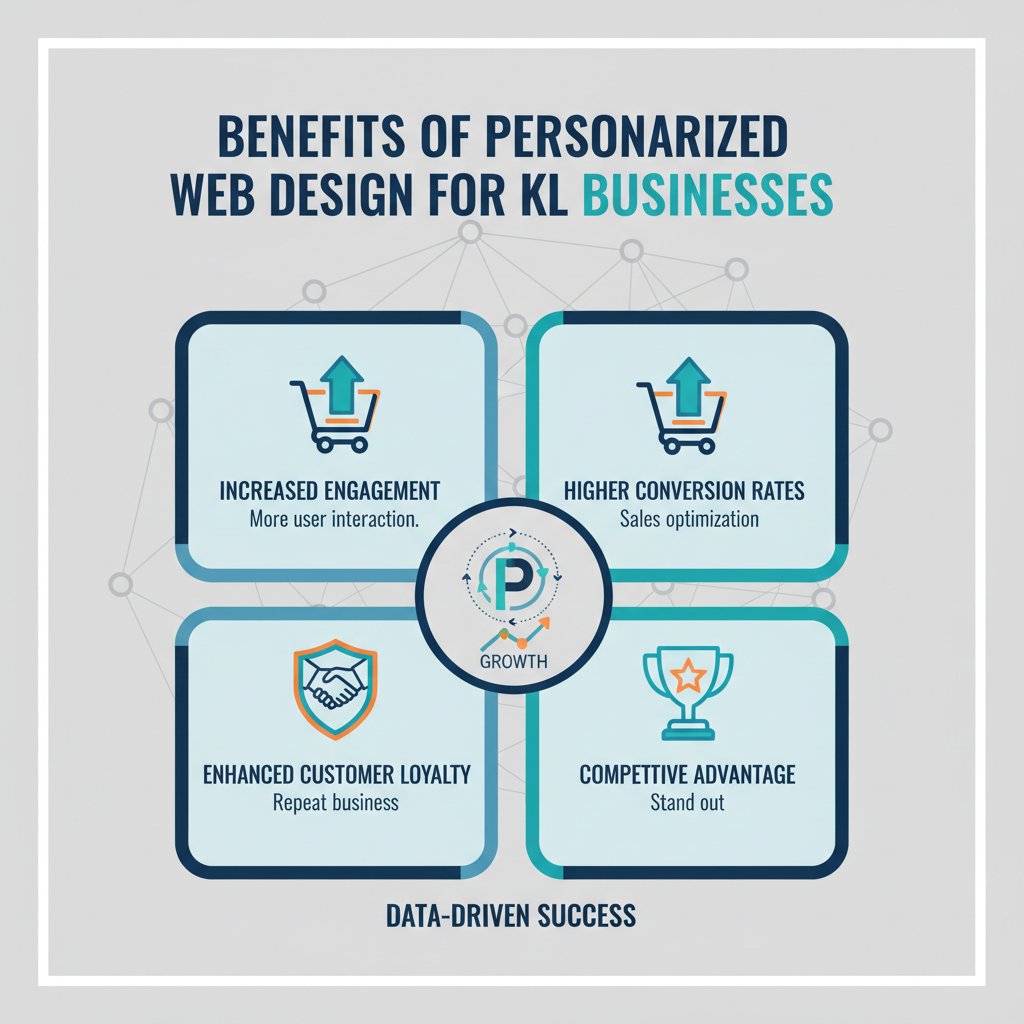
- Businesses that embrace tailored digital journeys see significant boosts in engagement, conversion rates, and customer loyalty.
- The shift requires a strategic evolution for Web Design KL agencies, focusing on user journey mapping and advanced analytics.
- Ignoring this trend means falling behind competitors who are already investing in individualized online interactions.
What’s Driving This Demand for Hyper-Personalization in KL?
The demand for hyper-personalization in Kuala Lumpur is primarily driven by a dramatic increase in digital literacy and a shift in purchasing habits that solidified during the Movement Control Orders (MCOs). Consumers spent more time online, became more discerning, and grew accustomed to the tailored experiences offered by global giants like Netflix and Amazon. They now expect that same level of individualized attention from local businesses, whether it’s an e-commerce store, a service provider, or a content platform.
From what I’ve seen covering this sector for years, the MCOs were a pressure cooker. Businesses had to go digital, fast. Consumers, in turn, became savvier. They learned to compare, to seek out reviews, and to expect convenience. And once you’ve experienced a website that intuitively knows what you’re looking for, or suggests products based on your browsing history, going back to a static, impersonal site feels like a step backward. It’s jarring. And it’s a missed opportunity for businesses here in Malaysia.
The Post-Pandemic Consumer: A New Era of Expectations
The average Malaysian consumer, particularly in urban centers like KL, has evolved into a sophisticated digital native. They’re not just browsing; they’re researching, comparing, and expecting immediate relevance. According to a 2025 report by Statista, e-commerce penetration in Malaysia is projected to reach over 70% by 2027, a clear indicator of how ingrained digital purchasing has become. This isn’t just about buying things; it’s about the entire digital interaction. They want to feel understood, valued, and that their time isn’t being wasted with irrelevant content.
This means your website can’t just be a digital brochure anymore. It needs to be a dynamic, responsive entity that learns and adapts. Think about it: if someone visits your site, spends time looking at specific product categories, and then leaves, why would you show them the same homepage on their next visit? That’s just lazy. And in today’s market, lazy loses.
How Can Web Design KL Agencies Deliver on Hyper-Personalization?
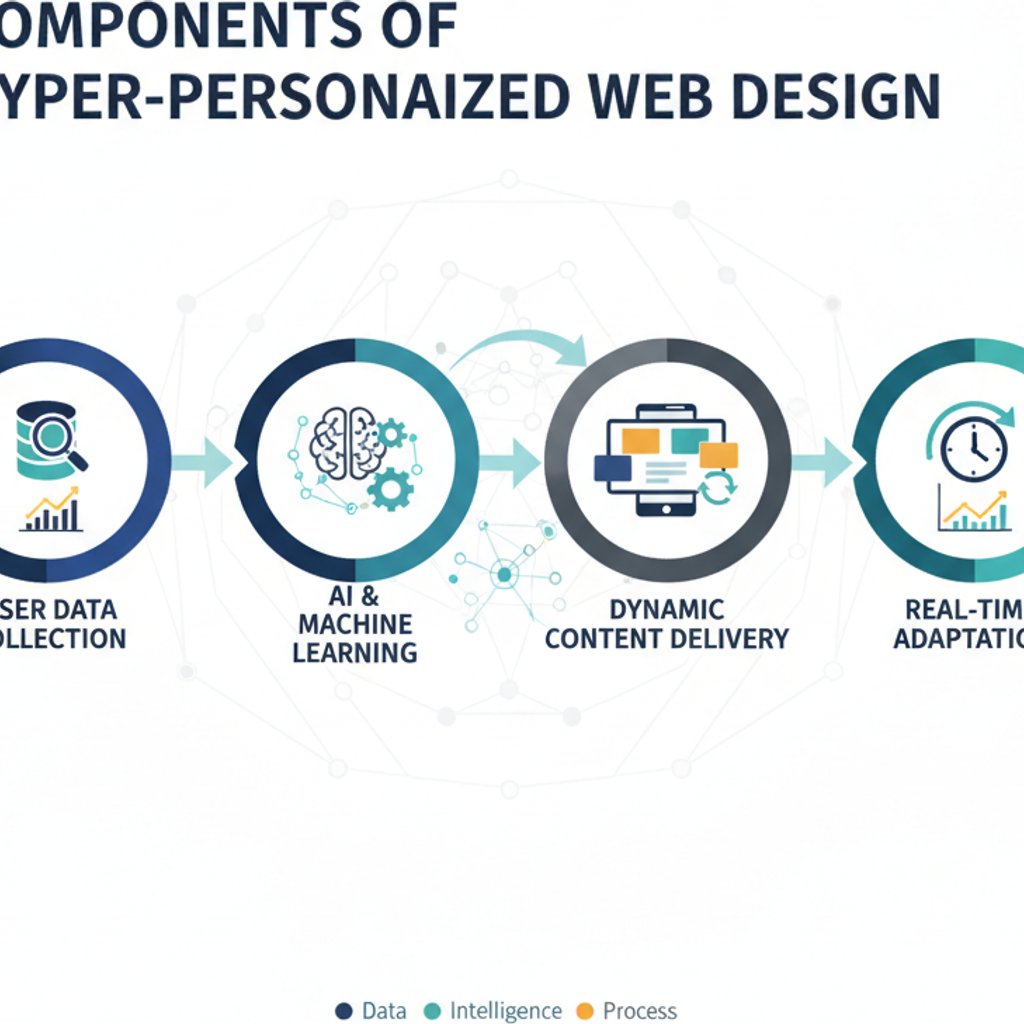
Delivering hyper-personalization requires Web Design KL agencies to move beyond traditional aesthetic and functional considerations, embracing a data-first approach that integrates AI, automation, and personalization. It’s a complex undertaking, certainly, but the payoff in terms of user engagement and conversion rates is undeniable.
The real story here isn’t just about pretty pictures or smooth navigation — it’s about the intelligence underpinning the entire user journey. It’s about understanding that every click, every scroll, every search query leaves a digital footprint that, when analyzed correctly, can inform a far more effective interaction.
Data-Driven Insights: The Foundation
You can’t personalize without data. It’s that simple. Web Design KL professionals must become adept at collecting, analyzing, and interpreting user data. This includes everything from basic demographics and geographic location to browsing history, purchase behavior, time spent on pages, and even device type. Tools like Google Analytics 4, heatmapping software, and user session recordings are no longer optional; they’re fundamental.
For example, a local fashion retailer in Bukit Bintang might discover through data that users from Selangor primarily browse their modest wear collection on mobile devices during lunch breaks, while those from Johor Bahru prefer their evening wear on desktops in the evenings. This isn’t just interesting information; it’s actionable intelligence that can completely reshape how content is presented.
AI and Machine Learning: The Personalization Engine
This is where the magic happens. AI and machine learning algorithms are the engines that power true hyper-personalization. They can analyze vast datasets in real-time, identify patterns, and then dynamically adjust website elements to match individual user preferences. This could mean anything from personalized product recommendations and custom content feeds to dynamic pricing or even a uniquely structured homepage layout.
I’ve seen some impressive applications locally. A property developer in Mont Kiara, working with a forward-thinking Web Design KL partner, implemented an AI-powered UX for Kuala Lumpur businesses that tailored property listings based on a user’s previous searches, budget range, and even the number of bedrooms they viewed. Their conversion rates for initial inquiries jumped by nearly 20% within six months. That’s not a small win; that’s a significant business advantage.
Dynamic Content and User Journey Mapping
Once you have the data and the AI, the next step is implementing dynamic content. This means elements of your website change based on who is viewing them. Think personalized banners, calls-to-action, testimonials, or even entire sections of text. It’s about creating multiple versions of your site and serving the most relevant one to each user.
User journey mapping is also critical. This involves visualizing the paths users take through your website and identifying key touchpoints where personalization can have the biggest impact. Are they first-time visitors? Returning customers? Someone who abandoned a cart? Each segment requires a different approach, and a well-designed personalized journey guides them seamlessly towards their goal — and yours.
Why Generic Web Design is a Losing Strategy in Today’s KL Market
In the competitive Kuala Lumpur market, a generic website is no longer just ineffective; it’s actively detrimental. It signals a lack of understanding of your customer base and a failure to adapt to modern digital expectations. You’re essentially asking a diverse audience to conform to a single, static experience, which rarely works.
Look – the market has matured. Customers have choices. If your website feels like a digital ghost town, offering nothing specific to their needs, they’ll bounce. And they’ll find a competitor who does understand them. It’s really that simple.
The Cost of Impersonal Experiences
The costs of a generic web presence are multifaceted. First, there’s the immediate impact on engagement: higher bounce rates, lower time on site, and fewer page views. Then, there’s the conversion problem: if your site isn’t guiding users effectively, they’re less likely to complete a purchase, fill out a form, or make an inquiry. Finally, and perhaps most damagingly, there’s the erosion of customer loyalty. In an age where customer experience is paramount, an impersonal website can alienate potential long-term clients.
A recent study by Accenture (2024) indicated that 71% of consumers expect companies to deliver personalized interactions, and 76% get frustrated when this doesn’t happen. That’s a huge segment of the market that you’re potentially frustrating with a generic approach. This isn’t just about aesthetics; it’s about fundamental business performance.
Generic vs. Personalized Web Experiences: A Comparison
| Feature | Generic Website | Personalized Website |
|---|---|---|
| Content Display | Same content for all users | Dynamic content based on user data |
| Product Recommendations | Static or none | AI-driven, tailored suggestions |
| User Journey | Linear, one-size-fits-all | Adaptive, guided paths |
| Engagement Metrics | Lower bounce rate, less time on site | Higher engagement, more page views |
| Conversion Rates | Standard or below average | Significantly improved |
| Customer Loyalty | Limited impact | Enhanced, builds stronger relationships |
| Data Utilization | Minimal or basic analytics | Extensive, real-time data processing |
Case Studies: KL Businesses Thriving with Personalization
We’re already seeing local businesses in Kuala Lumpur reap significant rewards by leaning into hyper-personalization. These aren’t just multinational corporations with endless budgets; many are SMEs who’ve strategically invested in smarter web design.
For instance, a local online grocery delivery service in Petaling Jaya noticed a pattern: customers often bought the same staples but were also open to trying new, complementary items. Their Web Design KL agency implemented a system that, after a few orders, started suggesting recipes based on past purchases and then dynamically displayed the ingredients needed, with one-click additions to the cart. Result? A 15% increase in average order value and a noticeable uptick in repeat customers.
Another example: a boutique travel agency specializing in domestic tourism redesigned its website to offer personalized holiday packages. Users could input their preferences (e.g., ‘beach holiday,’ ‘family-friendly,’ ‘adventure’), and the site would dynamically reconfigure its offerings, complete with personalized testimonials and location-specific deals. They reported a 25% increase in lead generation for customized trips within a year. It’s about making the customer feel seen, understood, and catered to.
The Future of Web Design KL: Beyond Aesthetics
The future of Web Design KL is undeniably rooted in intelligence, adaptability, and a relentless focus on the individual user. Aesthetics will always matter, of course – a beautiful, intuitive interface is crucial – but it’s now just one piece of a much larger, more complex puzzle. The real competitive edge will come from how smartly a website can anticipate and respond to user needs.
I’m often asked if this means smaller businesses are at a disadvantage. My answer is always no. While the tools can be sophisticated, the underlying principle is simple: know your customer. Even without a massive AI budget, a thoughtful, data-informed approach to segmenting your audience and tailoring content can yield impressive results. It just requires a strategic mindset and a willingness to evolve.
Qc Fixer, as a content publisher, has been tracking these trends closely, and our analysis consistently points to one truth: businesses that embrace this shift aren’t just surviving; they’re truly thriving. They’re building stronger relationships with their customers, driving higher conversions, and ultimately, securing their place in Kuala Lumpur’s increasingly digital-first economy. So, if you’re still operating with a static website, consider this your wake-up call. The market has spoken.
Frequently Asked Questions About Personalized Web Design in KL
What is hyper-personalization in web design?
Hyper-personalization in web design refers to the practice of dynamically tailoring website content, layout, and recommendations to individual users based on their unique data, behavior, and preferences. It goes beyond basic customization to create a truly individualized digital experience.
Why is personalization important for businesses in Kuala Lumpur now?
Post-pandemic, KL consumers have higher digital literacy and expectations for relevant online experiences. Personalized web design helps businesses stand out, increase engagement, improve conversion rates, and build stronger customer loyalty in a competitive market.
What kind of data is used for web personalization?
Data used for web personalization includes browsing history, purchase behavior, geographic location, device type, demographics, time spent on pages, search queries, and interactions with website elements. This data helps create a comprehensive user profile.
Do I need AI to implement personalized web design?
While AI and machine learning significantly enhance hyper-personalization by processing vast amounts of data and making real-time adjustments, even without a full AI suite, businesses can implement effective personalization through data segmentation, A/B testing, and dynamic content based on user rules.
How does personalized web design affect SEO?
Personalized web design can indirectly boost SEO by improving user engagement metrics like time on site and reducing bounce rates, which search engines interpret as signals of high-quality content. However, core SEO practices like keyword optimization and technical SEO remain crucial.
Is personalized web design only for large companies?
No, personalized web design is not exclusive to large companies. While large enterprises might have more resources for advanced AI, small and medium-sized businesses (SMEs) in KL can also implement effective personalization strategies by focusing on their specific customer segments and leveraging accessible tools and platforms.
What are the first steps to making my website more personalized?
Start by analyzing your existing website data to understand user behavior. Then, identify key customer segments and their needs. Begin with simple personalization tactics like dynamic content based on location or referral source, and gradually integrate more sophisticated methods as you gather more insights.
Crafting Digital Experiences for Kuala Lumpur’s Diverse Audiences
Last updated: July 8, 2026