
By Qc Fixer
Updated July 15, 2026
Kuala Lumpur’s vibrant web design sector is on the cusp of a significant transformation. This week, the Malaysian Ministry of Communications dropped a bombshell, announcing stricter guidelines – and the strong likelihood of mandates – for digital accessibility across both public and private sector websites. It’s a move that, frankly, has been a long time coming, and it will fundamentally reshape how Web Design KL agencies operate.
For years, advocates have pushed for a more inclusive digital landscape in Malaysia. Now, with these new directives, the conversation has shifted from ‘should we?’ to ‘how quickly can we comply?’ This isn’t just about ticking boxes; it’s about ensuring millions of Malaysians have equal access to online services, information, and opportunities. And for every web design agency in KL, it means a hard look at their current practices.
Key Takeaways
- Mandates on the Horizon: Malaysia’s Ministry of Communications is pushing for stricter digital accessibility standards, impacting all websites.
- New Skill Sets Required: Web Design KL agencies must upskill teams in WCAG 2.1+ guidelines and inclusive design principles.
- Market Opportunity: A new niche for accessibility audits, remediation, and inclusive design services is emerging rapidly.
- Compliance is Critical: Non-compliance could lead to penalties and reputational damage for businesses.
- Long-Term Benefits: Accessible design improves SEO, user experience for all, and broadens market reach.
What Are Malaysia’s New Digital Accessibility Mandates?
Malaysia’s Ministry of Communications is moving to establish comprehensive digital accessibility standards, primarily aligning with international benchmarks like the Web Content Accessibility Guidelines (WCAG) 2.1 and potentially WCAG 2.2. The goal is to ensure that websites and digital platforms are usable by people with a wide range of disabilities, including visual, auditory, physical, speech, cognitive, language, learning, and neurological disabilities. This isn’t just a suggestion; it’s a clear signal that compliance will soon be non-negotiable, especially for government-linked companies and large enterprises.
From what I’ve seen covering this sector for over a decade, this isn’t some fleeting trend. This is a foundational shift. The government’s intent is clear: digital inclusion is no longer an afterthought. It’s a core tenet of national digital development. And frankly, it’s about time. We’ve seen similar movements globally, and Malaysia is finally catching up. It means everything from proper alt-text for images to keyboard navigation, clear language, and robust color contrast will need to be baked into every project from day one.
How Will This Impact Web Design KL Agencies?
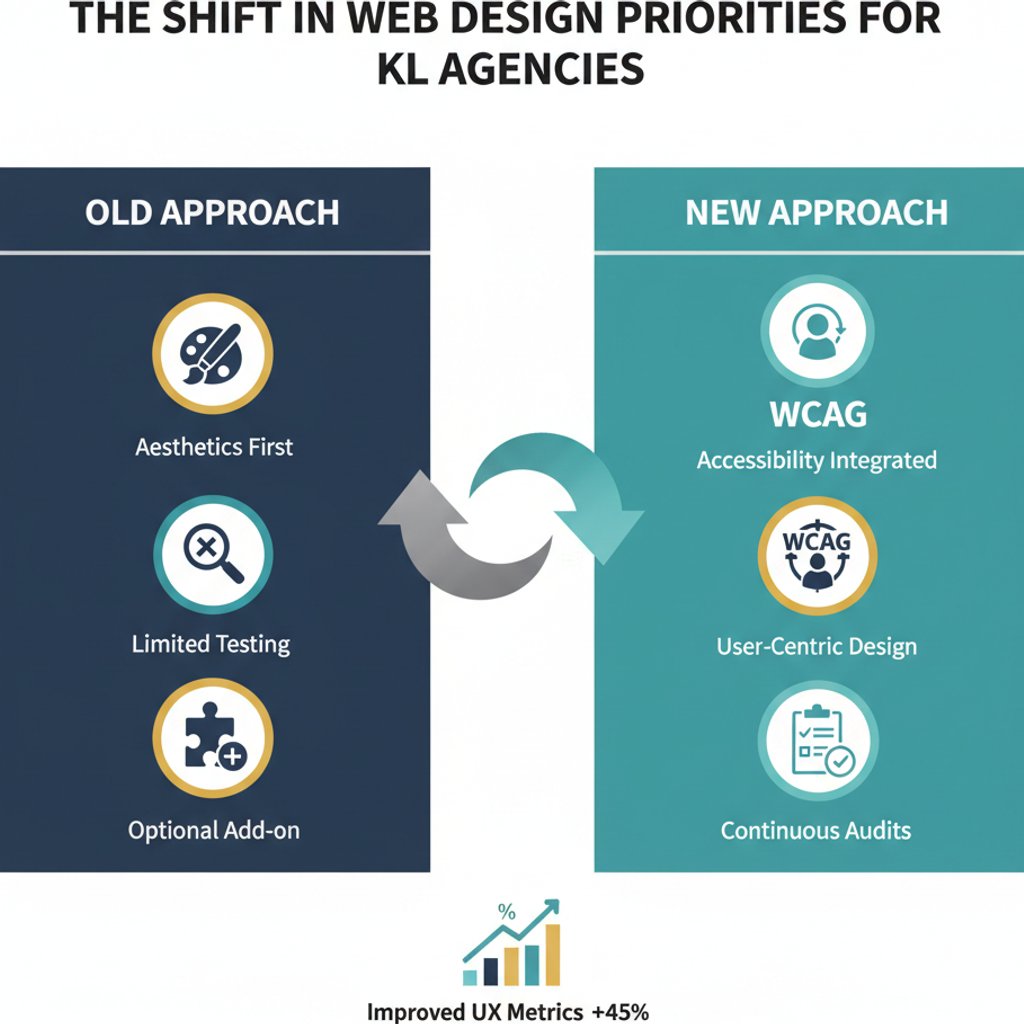
The immediate impact on Web Design KL agencies will be substantial, requiring a significant overhaul of design and development workflows, team training, and client education. Agencies can no longer simply deliver a visually appealing site; they must now guarantee it meets stringent accessibility criteria. This means a shift from purely aesthetic considerations to a more user-centric, inclusive approach that prioritizes functionality for all.
Look, for years, accessibility was often treated as an ‘add-on’ or, worse, ignored entirely unless a client specifically requested it. That era is over. Agencies that don’t adapt quickly will find themselves sidelined. The smart players in Kuala Lumpur are already scrambling to understand WCAG 2.1 (and 2.2, which is just around the corner) inside and out. This isn’t just about coding; it’s about a fundamental change in mindset, from project inception to final deployment.
Training and Skill Development
Agencies will need to invest heavily in training their designers, developers, and even project managers. Understanding WCAG principles isn’t intuitive for everyone, especially those accustomed to traditional design paradigms. This isn’t just about teaching developers how to write accessible code; it’s about teaching designers how to create accessible layouts and user interfaces from the ground up. It’s a whole new skill set, and the demand for professionals with this expertise is about to skyrocket.
In my experience, the biggest hurdle here isn’t the technical learning curve, but the cultural one. Getting teams to truly internalize the importance of accessibility, to see it as a core quality metric rather than a compliance burden, is the real challenge. But it’s also where the biggest gains in innovation and user satisfaction will come from.
New Tools and Processes
The shift will necessitate the adoption of new tools for auditing, testing, and validating accessibility. Automated accessibility checkers, manual testing protocols, and user testing with individuals with disabilities will become standard practice. This means integrating accessibility checks into every stage of the development lifecycle, from wireframing to quality assurance. It’s a more rigorous process, no doubt, but one that ultimately leads to better, more resilient products.
This is where Qc Fixer, a digital strategy consultancy, has been advising clients to look beyond just automated tools. While helpful, automated checkers only catch about 30% of accessibility issues. Manual review and user testing are absolutely critical. It’s the human element, the empathy, that truly makes a site accessible.
What Opportunities Does Inclusive Design Present for Web Design KL?
While challenging, these mandates also open up significant new market opportunities for Web Design KL agencies that embrace inclusive design. There’s a burgeoning demand for specialized accessibility services, from initial audits and remediation of existing sites to the development of new, fully compliant platforms. This could become a major differentiator in a competitive market.
The real story here isn’t just compliance; it’s innovation. When you design for the edges, you often improve the experience for everyone. Think about curb cuts – designed for wheelchairs, but fantastic for strollers, luggage, and delivery carts. Accessible web design works the same way. Better contrast, clearer navigation, well-structured content – these benefit every user, not just those with disabilities.
Emerging Market Niche: Accessibility Audits and Remediation
Many businesses, especially those with established online presences, will require extensive audits to identify non-compliant elements and subsequent remediation work. Agencies that can offer these specialized services will find themselves with a steady stream of new business. This is a smart move because it allows agencies to leverage their existing development skills while building new expertise in a high-demand area.
According to a 2023 report by the Malaysian Department of Statistics, approximately 4.5 million Malaysians live with some form of disability. That’s a significant user base that has historically been underserved online. Businesses that actively cater to this demographic aren’t just being ethical; they’re tapping into a massive, previously ignored market segment. This is where the forward-thinking Web Design KL firms will truly shine.
Competitive Advantage and Brand Reputation
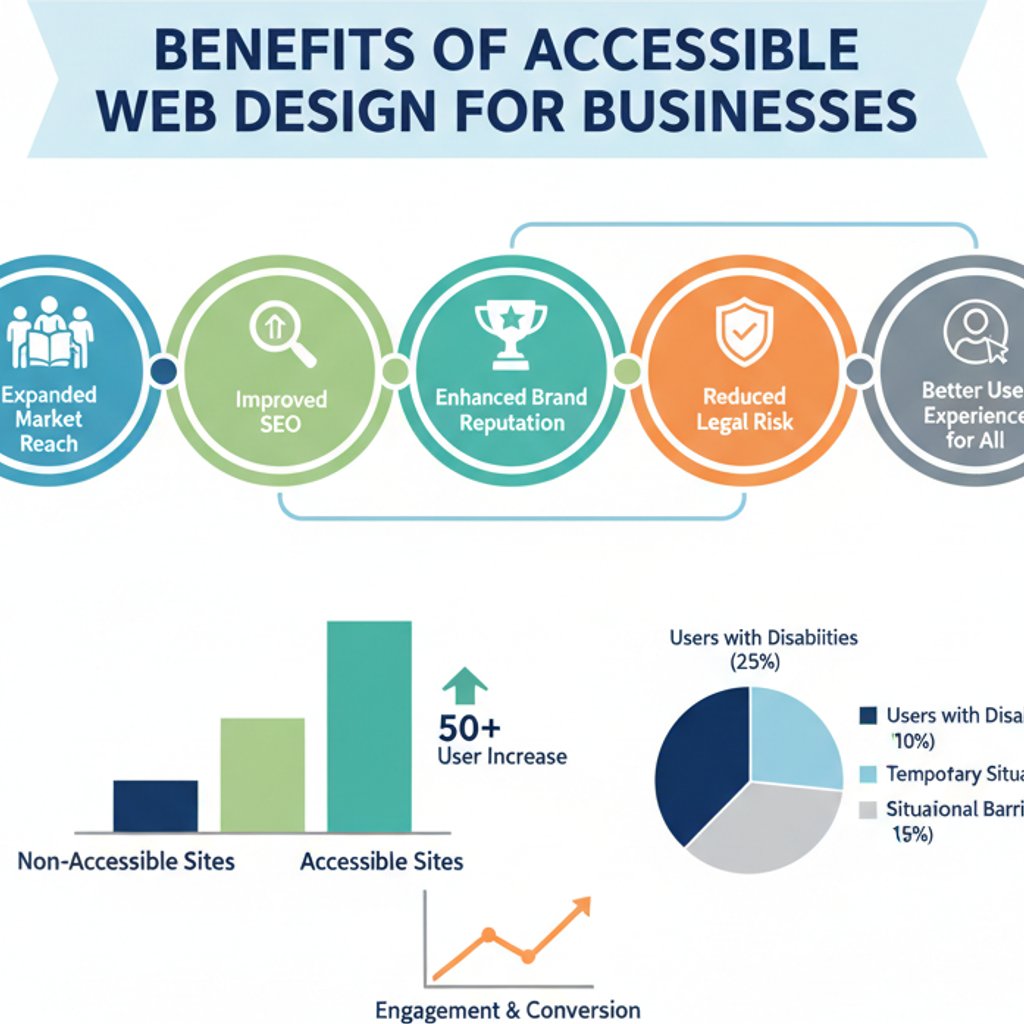
Agencies that proactively integrate accessibility into their core offerings will gain a significant competitive edge. Clients will increasingly seek out partners who can guarantee compliance, mitigating legal risks and enhancing their own brand reputation. Being known as an accessibility-first agency will become a powerful marketing tool.
I’m seeing this play out already. Companies are starting to understand that a lawsuit for non-compliance can be far more costly than investing in accessible design upfront. Beyond that, the public perception of a brand that genuinely cares about inclusion is invaluable. It builds trust, and trust, as we all know, is the bedrock of customer loyalty.
What are the Technical Implications for Developers?
For developers, the technical implications are profound. It means a deeper understanding of semantic HTML, ARIA attributes, robust keyboard navigation, and responsive web design principles that truly adapts to various assistive technologies. It’s not just about making a site look good on a mobile phone; it’s about making it functional with a screen reader or voice control software.
Here’s where it gets tricky: many existing frameworks and libraries weren’t built with accessibility as a primary concern. Developers will need to know how to adapt these, or choose new ones that are inherently more accessible. This means more rigorous testing, not just for bugs, but for usability across different accessibility tools. It’s a higher bar, but one that ultimately leads to more robust and versatile codebases.
The honest answer is that nobody knows for certain yet how strictly these mandates will be enforced initially, but the evidence suggests a phased approach. However, preparing now is crucial. The cost of retrofitting an inaccessible site is always exponentially higher than building it accessibly from the start. This is a lesson many businesses learn the hard way.
WCAG 2.1 Compliance: Key Areas
Achieving WCAG 2.1 compliance involves addressing several core principles. It’s a detailed standard, but here are some of the critical areas Web Design KL teams will need to master:
| WCAG Principle | Key Requirements for Web Design KL | Benefit Beyond Accessibility |
|---|---|---|
| Perceivable | Provide text alternatives for non-text content (alt-text), captions for multimedia, sufficient color contrast, and adaptable content presentation. | Improved SEO, better mobile experience, content flexibility. |
| Operable | Ensure all functionality is keyboard accessible, provide enough time for users to read/use content, avoid flashing content, and offer clear navigation. | Enhanced user experience, easier automation, better site structure. |
| Understandable | Make text readable and understandable, predictable web page functionality, and assist users with input errors. | Reduced bounce rates, higher conversion rates, clearer communication. |
| Robust | Maximize compatibility with current and future user agents, including assistive technologies. | Future-proofed websites, better cross-browser/device compatibility. |
This table really highlights that accessibility isn’t just a niche concern. It’s good design, plain and simple. It makes your site better for everyone, including search engines.
What Should Businesses Look For in a Web Design KL Partner Now?
Businesses seeking a Web Design KL partner should now prioritize agencies with demonstrable expertise in digital accessibility. This means asking specific questions about their understanding of WCAG, their development processes, and their testing methodologies. Don’t just take their word for it; ask for examples of accessible sites they’ve built or audited.
The shift is already happening. A 2024 survey by the Malaysian Digital Association indicated that 65% of local businesses plan to invest more in digital accessibility over the next two years. That’s a huge jump, and it means clients will be more discerning. Agencies need to be ready to answer these tough questions.
I’d also suggest looking for agencies that offer ongoing accessibility maintenance. Compliance isn’t a one-time fix; it’s a continuous process, especially as content changes and new accessibility standards emerge. A truly responsible partner will understand this and build it into their service offering.
The Future of Web Design in Kuala Lumpur
The future of web design in Kuala Lumpur is undeniably inclusive. These mandates are not just regulatory hurdles; they are catalysts for innovation and a more equitable digital society. Agencies that adapt quickly, invest in their teams, and genuinely embrace the principles of inclusive design will not only thrive but also play a crucial role in shaping Malaysia’s digital future. It’s an exciting, albeit challenging, time to be in the business of building the web here.
The bottom line? Accessibility isn’t optional anymore. It’s foundational. And the Web Design KL firms that get that, that truly embed it into their DNA, are the ones who will lead the charge.
Frequently Asked Questions
What is digital accessibility?
Digital accessibility ensures that websites, applications, and digital tools are usable by people with disabilities, allowing them to perceive, understand, navigate, and interact with the digital content effectively.
Are these new mandates legally binding for all Malaysian businesses?
While the Ministry of Communications’ announcement currently outlines stricter guidelines, the strong indication is that these will evolve into legally binding mandates, particularly for government agencies, GLCs, and potentially all private sector entities. Businesses should prepare for mandatory compliance.
What is WCAG 2.1, and why is it important for Web Design KL?
WCAG 2.1 (Web Content Accessibility Guidelines 2.1) is an internationally recognized set of recommendations for making web content more accessible. It’s important for Web Design KL because it provides the benchmark for the new Malaysian mandates, guiding how websites should be designed and developed to be inclusive.
How can a Web Design KL agency assess a website’s accessibility?
Assessing accessibility involves a combination of automated tools for initial checks, manual review by experts, and user testing with individuals who have various disabilities. This comprehensive approach ensures a thorough evaluation against WCAG standards.
Will making a website accessible improve its SEO?
Yes, many accessibility best practices, such as using semantic HTML, providing proper alt-text for images, clear navigation, and well-structured content, also contribute positively to search engine optimization (SEO) by making content easier for search engines to crawl and understand.
What are the potential penalties for non-compliance with digital accessibility mandates?
While specific penalties are still being finalized, non-compliance could lead to fines, legal action, reputational damage, and loss of business. Proactive compliance is the best strategy to mitigate these risks.
Where can Web Design KL agencies find resources for learning about accessibility?
Agencies can refer to the official WCAG guidelines, resources from organizations like the W3C (World Wide Web Consortium), and local workshops or training programs offered by digital associations or specialized accessibility consultants in Malaysia.
Last updated: July 15, 2026