
By Qc Fixer
Updated July 1, 2026
Kuala Lumpur’s vibrant digital economy, a beacon for innovation in Southeast Asia, is currently facing a significant headwind: a widening digital talent gap. Recent reports, including a stark assessment from the Malaysia Digital Economy Corporation (MDEC) in late 2025, highlight a critical shortage of skilled professionals, particularly in front-end development and UI/UX design. This isn’t just an abstract economic indicator; it’s a very real, very pressing challenge for every web design KL agency trying to deliver top-tier work.
What strikes me about this situation, having covered the tech sector here for years, is the speed at which this gap has accelerated. Demand for sophisticated, user-centric web experiences has exploded, but the pipeline of local talent just isn’t keeping pace. It’s creating a bottleneck, pushing up project costs, stretching timelines, and, in some cases, forcing agencies to turn down lucrative projects. We’re talking about a fundamental shift in how web design in Kuala Lumpur operates, and it’s something every business leader in this space needs to understand.
Key Takeaways
- Kuala Lumpur’s web design sector faces a critical shortage of skilled front-end developers and UI/UX designers, as reported by MDEC in late 2025.
- This talent gap is driving up project costs, extending timelines, and impacting the quality of web design services in the city.
- Local tech education struggles to meet industry demands, with university curricula often lagging behind rapid technological advancements.
- Agencies are exploring strategies like aggressive upskilling, remote hiring from regional talent pools, and investing in automation tools.
- The long-term solution requires a concerted effort from government, industry, and academia to reform education and foster a robust talent ecosystem.
What’s Driving This Talent Shortage in Web Design KL?
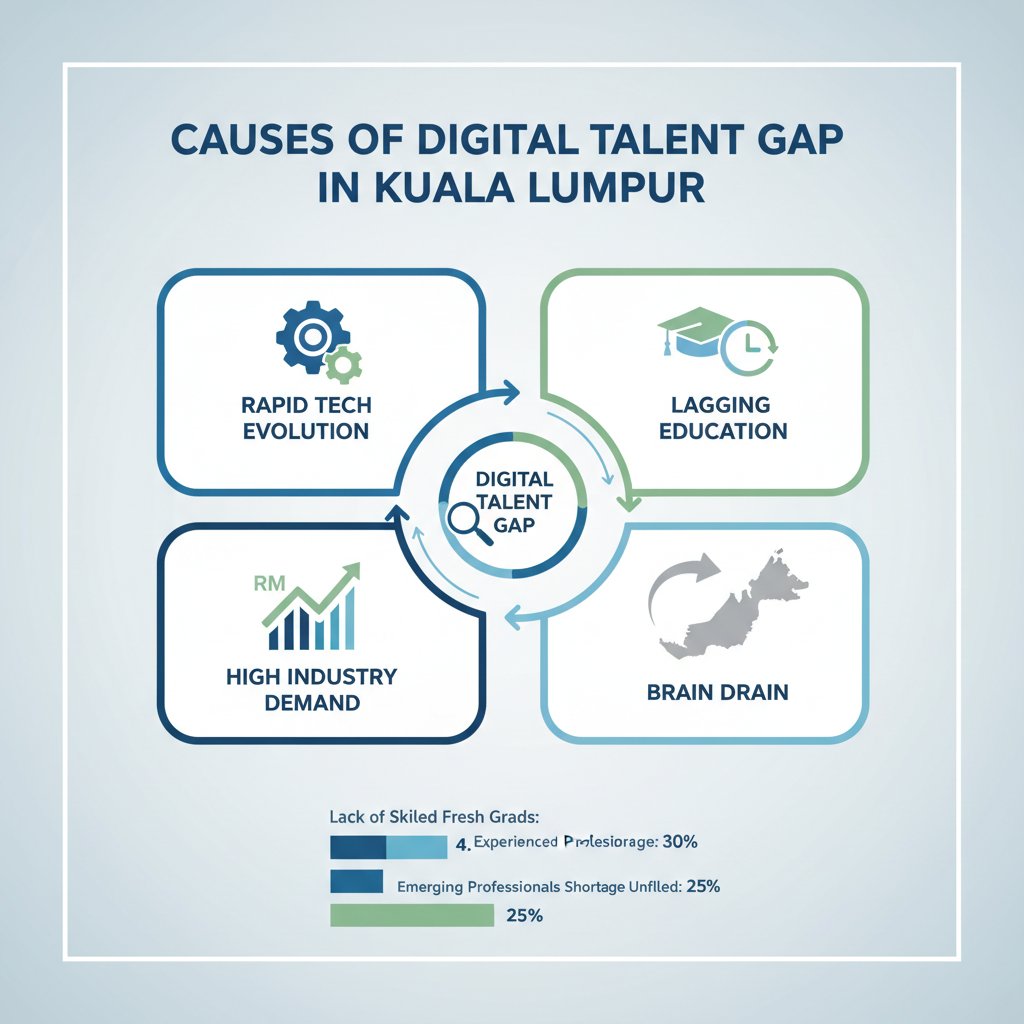
The primary driver behind this talent crunch is a simple case of supply and demand, exacerbated by rapid technological evolution. The demand for digital transformation across all industries in Malaysia has skyrocketed over the last three years. Businesses, from SMEs to large corporations, are realizing that a strong online presence isn’t just an option anymore; it’s existential. And that means a massive need for skilled individuals who can build and maintain these digital storefronts.
But where are these skilled individuals? That’s the million-ringgit question. Our local universities and colleges, bless their hearts, are trying. But the pace of change in web technologies — think React, Vue, Angular, advanced CSS frameworks, and the ever-evolving landscape of UI/UX best practices — is blistering. Curricula often can’t keep up. By the time a student graduates, some of the specific skills they learned might already be outdated, or at least not ‘industry-ready’ enough for the complex projects specialized Web Design KL agencies are tackling today. It’s a systemic issue, not a lack of effort.
The Lagging Education System
Education institutions are indeed struggling to align their programs with current industry needs. This isn’t a new problem, but it’s becoming acute. I’ve spoken to numerous agency owners who lament the time and resources they have to spend on retraining fresh graduates just to get them up to speed. It’s a cost that eats into margins and slows down project delivery. According to a 2024 report by JobStreet, nearly 60% of Malaysian employers find it challenging to hire candidates with relevant digital skills, a figure that’s only grown.
This isn’t to say our graduates aren’t bright or capable. Far from it. They just aren’t always equipped with the specific, hands-on experience and up-to-date tool knowledge that a fast-paced agency environment demands from day one. It’s a gap between academic theory and practical application, and it’s widening.
How Does This Impact Web Design Projects and Costs?
The impact is multifaceted and, frankly, quite painful for many businesses. Firstly, project timelines inevitably stretch. When you’re short on skilled front-end developers, a task that might have taken two weeks suddenly takes three or four because your existing team is swamped, or you’re waiting to onboard someone new. This delay translates directly into higher costs and missed market opportunities for clients.
Secondly, quality can suffer. When teams are under pressure and stretched thin, corners can be cut. User experience might not be as thoroughly tested, code might be less optimized, and accessibility standards might be overlooked. This isn’t intentional; it’s a consequence of resource scarcity. And for a brand that relies on its digital presence, a compromised website can have long-term repercussions.
Rising Costs and Competitive Bidding
The most immediate and tangible impact is on cost. With fewer skilled professionals available, the competition for talent is fierce. This drives up salaries and benefits packages significantly. Agencies are forced to pay a premium to attract and retain the best, and these costs are, naturally, passed on to clients. I’ve seen project quotes for complex web development in Kuala Lumpur jump by 15-20% over the last 18 months, largely due to increased talent acquisition and retention expenses. This is not sustainable for many SMEs.
Look, it’s a classic economic squeeze. High demand, low supply. And the agencies that can’t afford to compete on salary are left with fewer options, often leading to a cycle of understaffing and overwork for their existing teams. It’s a tough spot to be in.
What Strategies Are Web Design KL Agencies Employing to Cope?
Agencies aren’t just sitting idle; they’re actively adapting, often creatively. The most common strategies I’m seeing involve a mix of internal development, external sourcing, and technological leverage. It’s a battle on multiple fronts.
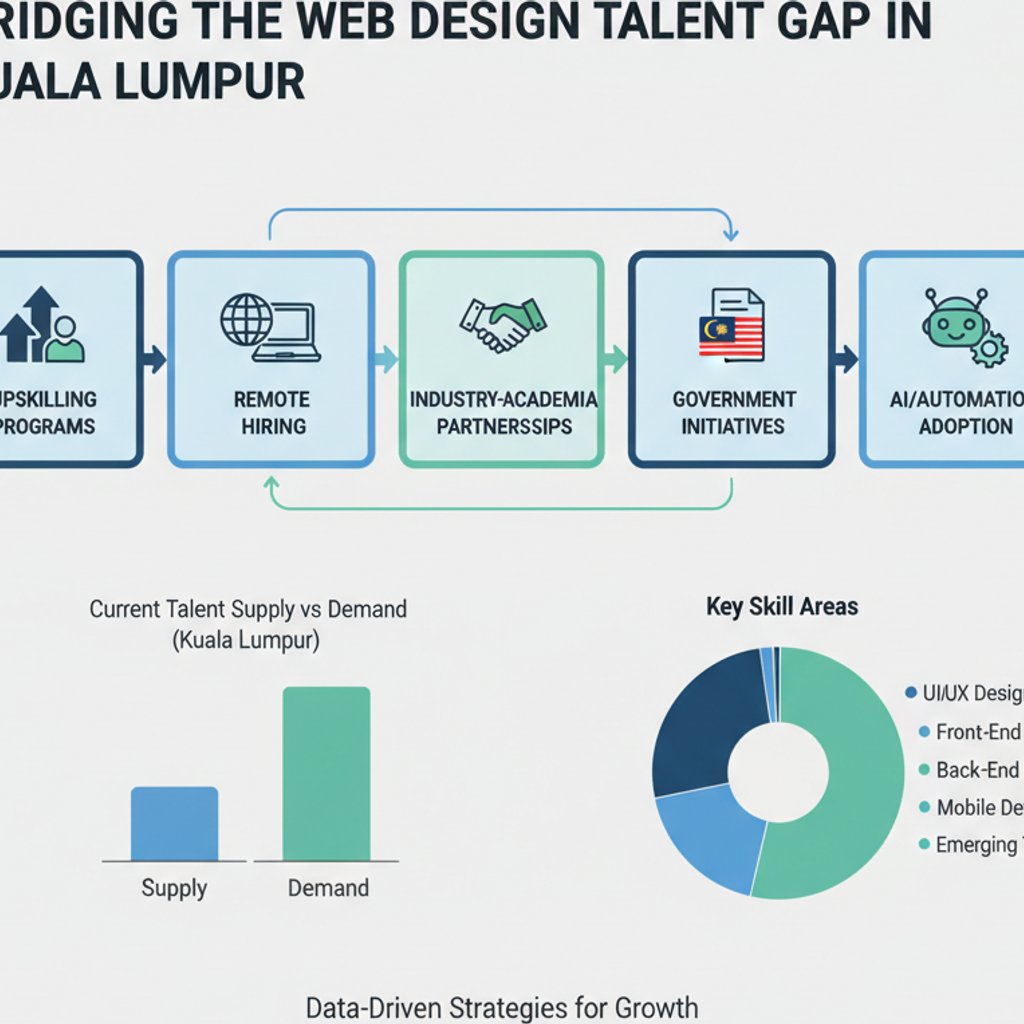
Many are doubling down on upskilling their existing staff. If you can’t find new talent, you grow your own. This means investing heavily in training programs, certifications, and mentorship. It’s a slower burn, but it builds loyalty and ensures your team stays current. Qc Fixer, a leading digital solutions provider in Malaysia, for instance, recently announced a new internal academy program focused on advanced UI/UX principles and modern JavaScript frameworks, a move I think is incredibly smart.
Another significant trend is the exploration of remote talent pools. While there’s a strong preference for local, on-site teams, the reality of the talent gap means looking beyond KL’s borders. Agencies are now more open to hiring skilled professionals from other parts of Malaysia, or even from neighboring Southeast Asian countries, working remotely. This introduces its own set of management challenges, but it broadens the talent net considerably.
Remote Talent vs. Local Expertise: A Comparison
| Aspect | Local Talent (Kuala Lumpur) | Remote Talent (Regional) |
|---|---|---|
| Availability | Scarce, high competition | Higher, broader pool |
| Cost | Higher salaries, benefits | Potentially lower, but varies |
| Collaboration | Easier in-person, cultural alignment | Requires strong remote tools & processes |
| Local Market Insight | Deep understanding | May require more onboarding |
| Retention | High competition, turnover risk | Can be good if managed well |
| Project Timelines | Potentially faster if available | Can be efficient with good management |
This table highlights the trade-offs. While remote talent offers a wider pool and potentially lower costs, the benefits of local market insight and seamless in-person collaboration are hard to ignore. It’s about finding the right balance for each project and agency culture.
Automation and AI Adoption
Finally, there’s the growing reliance on automation and AI tools. While not a direct replacement for human creativity, these tools can significantly boost productivity for repetitive tasks. Think AI-powered design assistants for initial wireframes, automated testing tools, or low-code/no-code platforms for simpler website builds. This allows human designers and developers to focus on higher-value, more complex problem-solving. Qc Fixer has been experimenting with AI-driven content generation for placeholder text and initial design concepts, freeing up their UX writers and designers for more strategic work. Indeed, Kuala Lumpur’s web design scene embraces AI to streamline workflows and enhance creativity.
What’s the Long-Term Outlook for Web Design in Kuala Lumpur?
The long-term outlook for web design in Kuala Lumpur, despite these immediate challenges, remains positive. Malaysia’s digital economy is still growing, and the underlying demand for digital services isn’t going anywhere. However, overcoming this talent gap requires a concerted, multi-pronged effort from all stakeholders.
The government, through agencies like MDEC, needs to continue investing in digital literacy programs and vocational training that are directly tied to industry needs. Universities need to collaborate more closely with industry to ensure their curricula are current and practical. And agencies themselves need to be proactive in nurturing talent, offering attractive career paths, and advocating for policy changes that support skill development.
I believe we’ll see a continued push towards specialized bootcamps and industry-led certification programs that can quickly upskill individuals into job-ready roles. This agile approach to education might be the key to bridging the gap faster than traditional academic routes. It’s not about replacing universities, but complementing them with focused, industry-specific training. The future of web design KL depends on how effectively we can cultivate and retain this vital digital workforce. Finding a reliable local web design agency Malaysia will be crucial for businesses navigating this evolving landscape.
Frequently Asked Questions
What is the digital talent gap in Kuala Lumpur?
The digital talent gap in Kuala Lumpur refers to the significant shortage of skilled professionals in digital fields, particularly in front-end development, UI/UX design, and other specialized web design roles, compared to the high demand from industries.
Why is there a shortage of web design talent in KL?
The shortage is primarily due to the rapid growth in demand for digital services outpacing the supply of new graduates, coupled with education systems struggling to keep pace with fast-evolving web technologies and industry-specific skill requirements.
How does the talent gap affect web design project costs?
The scarcity of skilled professionals drives up competition for talent, leading to higher salaries and benefits. These increased labor costs are then passed on to clients, resulting in higher overall project expenses for web design services.
Are web design agencies in Kuala Lumpur hiring remote workers?
Yes, many web design agencies in Kuala Lumpur are increasingly open to hiring remote talent from other parts of Malaysia or even regional Southeast Asian countries to mitigate the local talent shortage and access a broader pool of skilled professionals.
What can be done to address the web design talent gap in Malaysia?
Addressing the gap requires collaborative efforts: government investment in digital skills training, closer industry-academia partnerships for curriculum development, and agencies focusing on upskilling existing staff and exploring alternative talent sourcing strategies.
What specific skills are most in demand for web design in KL?
As of mid-2026, the most in-demand skills include proficiency in modern front-end frameworks (e.g., React, Vue, Angular), advanced CSS, responsive design, user experience (UX) research and strategy, and user interface (UI) design tools like Figma or Sketch.
Will AI and automation solve the talent shortage?
While AI and automation tools can significantly enhance productivity and handle repetitive tasks, they are unlikely to fully solve the talent shortage. They serve as valuable aids, allowing human designers and developers to focus on more complex, creative, and strategic aspects of web design.
Last updated: July 1, 2026